Rebuilding the brain,
one cell at a time.

Sundial Therapeutics is engineering a novel population of placental-derived stem cells into a first-in-class therapy to replace aged and diseased brain tissue without surgery.

Fully allogeneic

Evolved at the interface of fetal and maternal immune systems, our cells naturally survive and engraft without triggering their host's immune system. Lab-validated allogenicity lets one placenta supply an off-the-shelf product to many recipients.

Self-delivering without surgery

Following chemokine signals of injury or disease, our cells home to the brain and cross the blood–brain barrier, precisely targeting neurodegenerative lesions from a simple IV injection.

One platform, many organs

Subpopulations of our candidate cells home to and engraft into organs throughout the body, including the lungs, kidneys, and spleen. We're laying the first bricks of a platform for whole-body, cell-by-cell replacement without surgery.

Why we exist

No approved therapy tries to replace the brain cells we lose.

More than $500B is spent annually on direct interventions for stroke, dementia, and TBI.

Yet no approved therapy attempts to replace dead or damaged cells — current treatments can only slow decline.

Sundial is creating the first allogeneic cell therapy to directly replace damaged and dead cells across the brain without surgery. We are targeting initial approval in Alzheimer's Disease, with a platform extensible across multiple tissues and organs.

Annual Therapeutic Intervention Spending
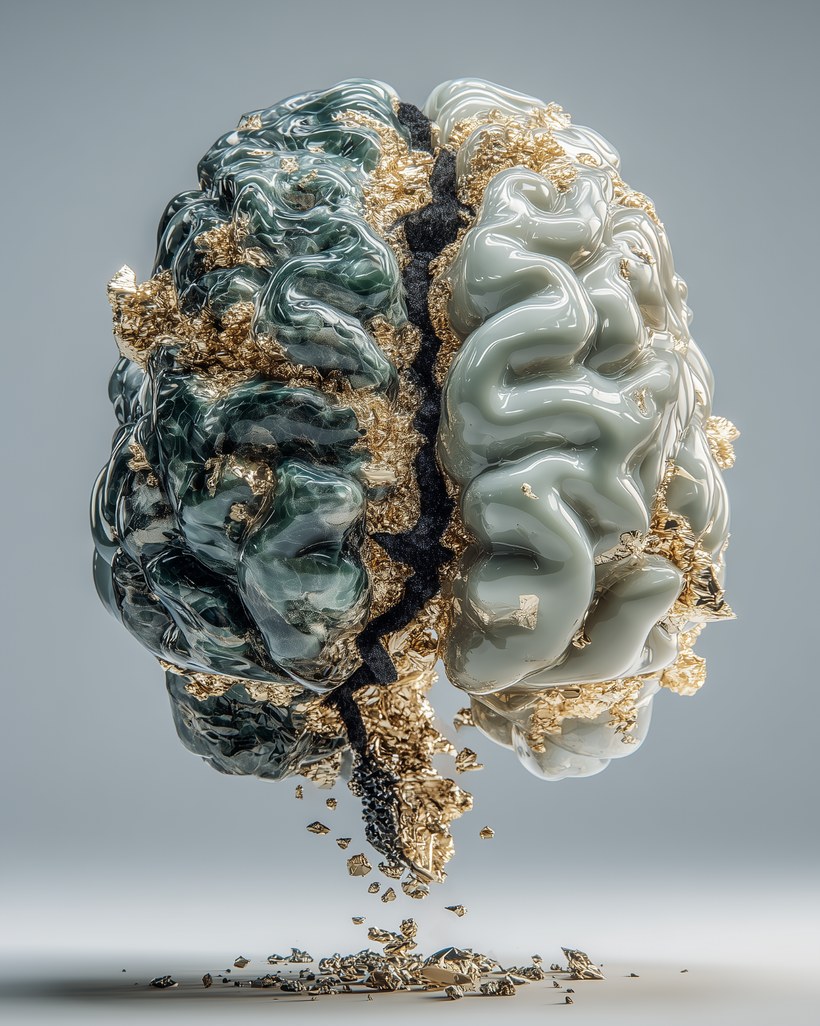
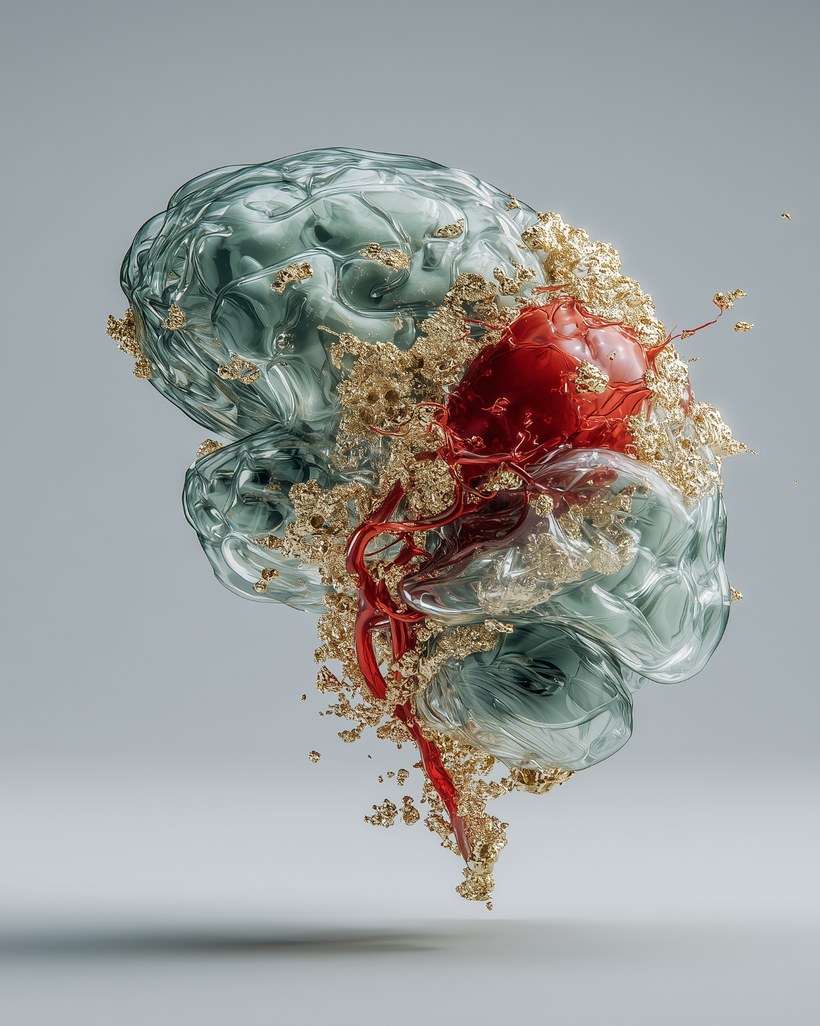
A fractured brain representing stroke
Stroke
$315B
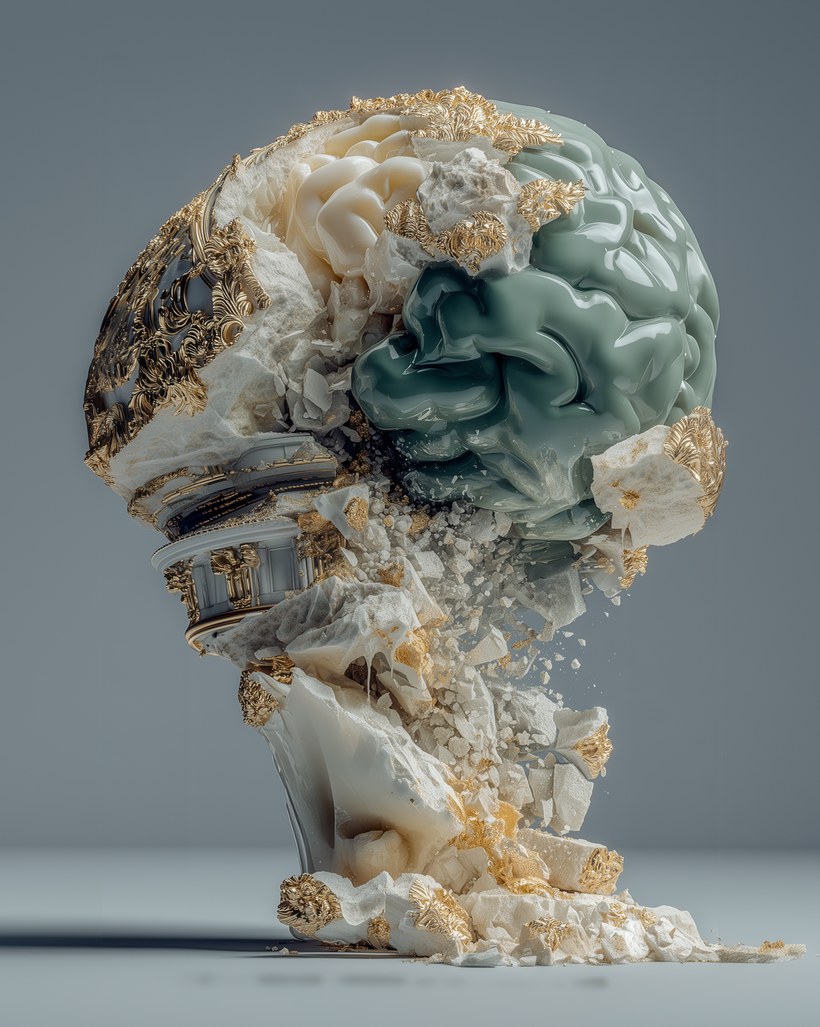
A crumbling brain representing dementia
Dementia
$215B
A wounded brain representing traumatic brain injury
TBI
$8B
$0 Spent Restoring Lost Brain Tissue
The science

Harnessing nature to reverse neurodegeneration.

Feto-maternal Microchimeric Stem Cells (FMSCs) are a rare population of fetal cells that accumulate in the placenta during pregnancy, from which they will migrate through the maternal bloodstream to nearly every tissue and organ in her body. These cells engraft into their host organ as functional new tissue, regenerating their host by replacing damaged cells and staying with her for the rest of her life. We're purifying and engineering the brain-targeting subpopulation of these cells (BT-FMSCs) into the first therapy capable of reversing neurodegenerative disease without surgery, forming the first asset in our platform for full-body regeneration.

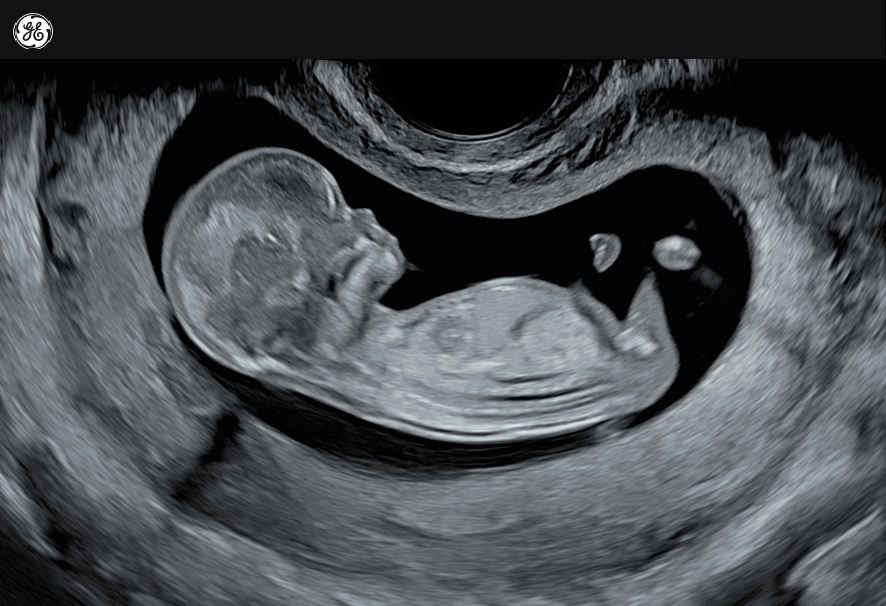
Prenatal ultrasound
Fetal stem cells migrate into the mother during pregnancy — the basis of microchimerism.
01

Fetal Microchimeric Stem Cells

During pregnancy, fetal stem cells cross the placenta and engraft throughout the mother's body, persisting for decades.

02

Disease-directed homing

FMSCs follow the chemokine signals released during injury and disease, differentiating into functional adult cells at the site of damage.

03

Organ-specific subpopulations

Each subpopulation targets a single organ and has evolved to survive without triggering the host immune system — enabling one donor to supply many recipients.

04

Sundial's approach

We purify brain-targeting FMSCs (BT-FMSCs) from placental tissue to build the first self-delivering, fully allogeneic regenerative brain therapy.

Published scientific precedent

Peer-reviewed work — including from our scientific advisors — establishes that these cells home to injury, cross into the brain, and differentiate into functional tissue.

Brain · homing

CCL2-directed brain homing

BT-FMSCs home strongly to CCL2, a chemokine elevated in Alzheimer's and aging. In a published model, CCL2 delivery shrank cortical lesions by ~50% within five days.

Sbeih et al., 2022

Brain · differentiation

Neuronal differentiation

FMSCs differentiate into functional neurons, astrocytes, and oligodendrocytes in the maternal brain, expressing mature markers (NeuN, MAP2, β3-tubulin).

Zeng et al., 2010

Heart · proof of concept

Cardiac regeneration

Heart-targeting FMSCs given intravenously to unrelated animals after a heart attack restored cardiac function with no immune reaction — demonstrating organ specificity.

Chaudhry et al., 2019

Pipeline

One platform, a growing pipeline.

A lead therapeutic program in Alzheimer's disease, plus a brain-delivery platform that can shuttle other medicines across the blood–brain barrier.

BT-FMSC cell therapy
Alzheimer's disease · tissue replacement
DiscoveryPreclinicalIND-enablingPhase I
Preclinical
BT-FMSC delivery platform
Brain-barrier shuttle · partnering
ResearchValidationPartneringCo-dev
Research

Development stages shown are indicative of current preclinical status and are not statements of clinical efficacy.

Team & advisors

The people building Sundial.

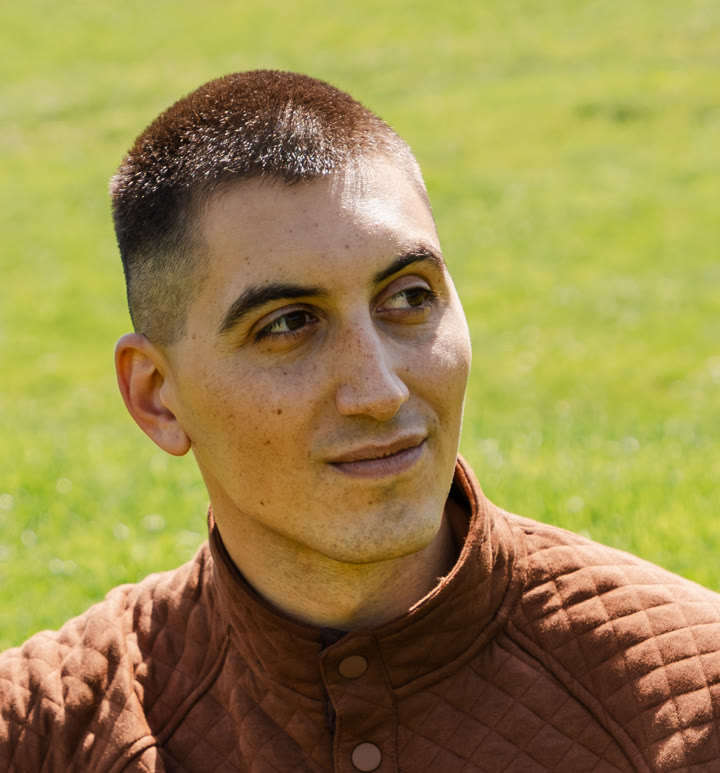
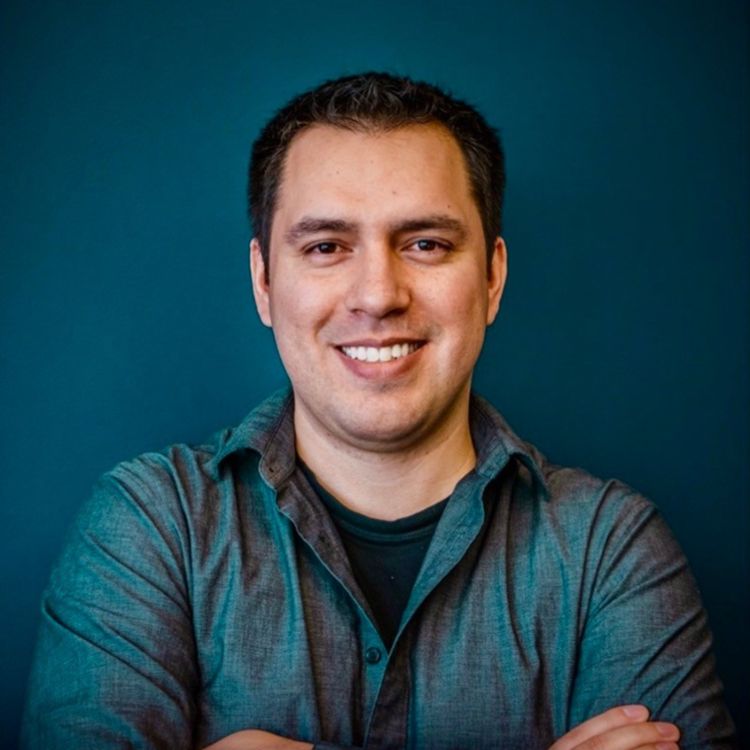
Nakoa Israel Po
Founder & CEO
Nakoa Israel Po

Six years in Alzheimer's, aging, and cell-therapy research, with published work (Stanford / bioRxiv), and three years of Army leadership.

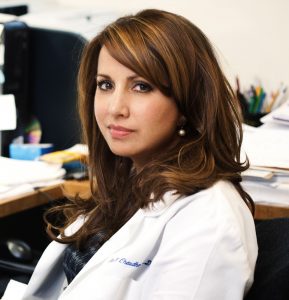
Hina Chaudhry, MD
Scientific advisor
Hina Chaudhry, MD
Professor, Icahn School of Medicine at Mount Sinai

Pioneered the purification and therapeutic use of heart-targeting FMSCs. Preclinical advisor.

Julie K. Andersen, PhD
Scientific advisor
Julie K. Andersen, PhD
Professor, Buck Institute for Research on Aging

A world leader in Alzheimer's biology; advises on disease biology and business development.

Eric Bennet
Partner
Eric Bennet
CEO, Frontier Bio

Advanced blood–brain-barrier-on-a-chip assays that let us iterate on cell candidates rapidly.

We're hiring
Lead Scientist · Clinical Design
Get in touch

Backed & supported by

The Buck Institute for Research on Aging
Icahn School of Medicine at Mount Sinai
Advanced Science Research Center, CUNY
Harlem Biospace
1517 Fund
Longevity Investor Network
Zee Prime Capital
New York State

Rebuild the brain with us.

Are you an academic or industry partner, investor, or interested in joining our team? We'd love to hear from you.